April 30, 2026
Maintaining clear and functional drains is an integral part of home care that is often overlooked until a problem arises. Clogged drains can lead to minor inconveniences, such as slow-draining water, or severe issues, like flooding and water damage. Professional drain cleaning services play a crucial role in diagnosing and resolving these issues effectively, preventing damage and costly repairs.
Understanding the common causes of clogs and recognizing early signs of drainage problems can help homeowners preemptively tackle these issues. However, when standard solutions do not suffice, calling in professionals becomes necessary. Their expertise and specialized equipment not only ease immediate concerns but also contribute to maintaining the overall health of a home's plumbing system.
According to the U.S. Bureau of Labor Statistics, about 44,000 openings for plumbers, pipefitters, and steamfitters are projected each year, on average, over the decade. These statistics underscore the demand for plumbing services, emphasizing their importance in regular home maintenance. This article delves into typical clogging causes and when it is time to enlist expert help.
Section 1: Understanding Clogged Drains
The Structure of Household Drainage Systems
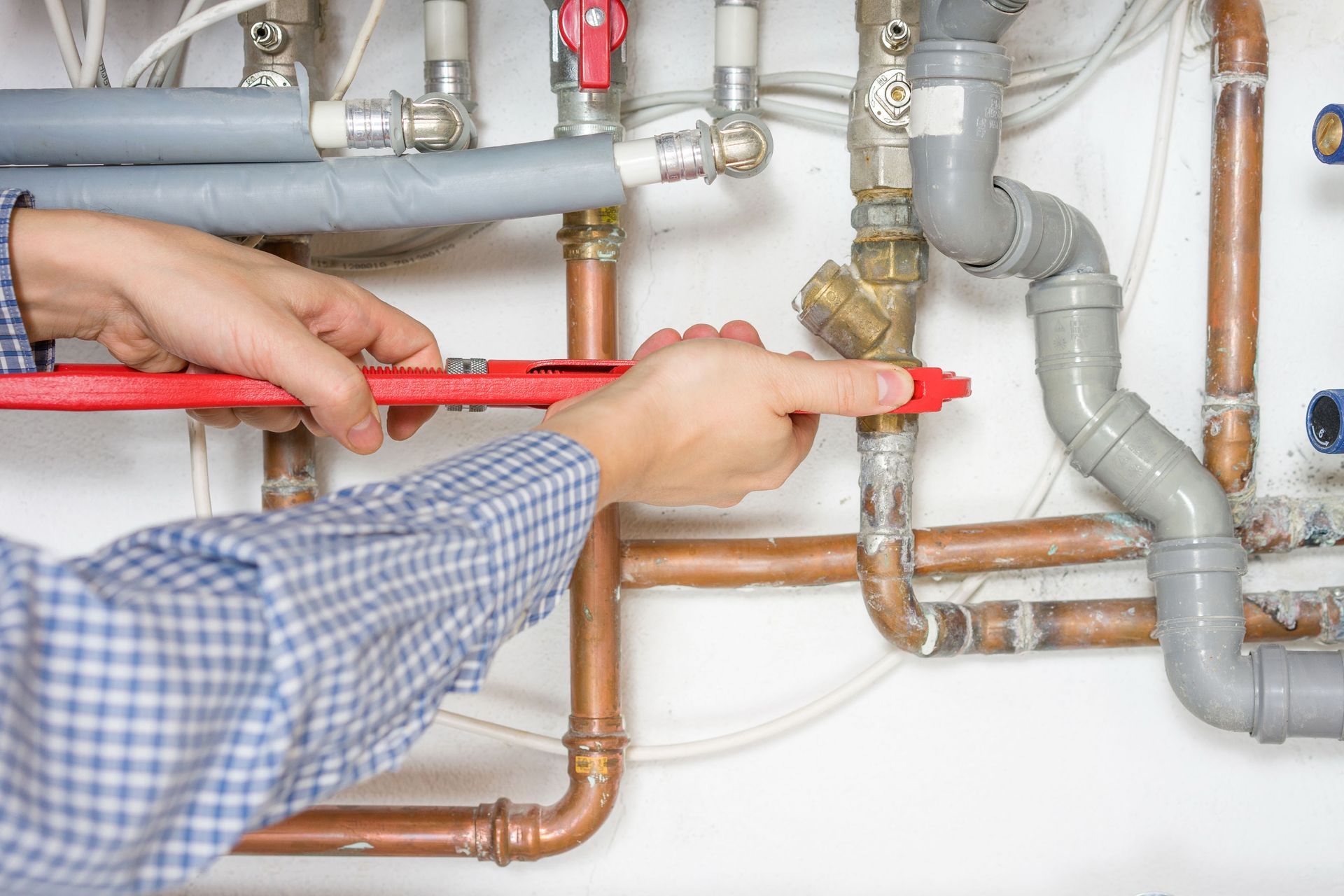
Household drainage systems are intricate networks designed to efficiently carry wastewater away from homes. Understanding their structure is critical to appreciating how clogs form and disrupt the flow. Typically, these systems consist of interconnected pipes that channel water from various fixtures to the main sewer line. The design includes slopes that utilize gravity for smooth water flow, but it also means any obstruction can impede this movement. Regular maintenance and awareness of the system's layout can prevent and quickly address clogs.
Material and pipe diameter play crucial roles in how susceptible a drainage system is to clogs. Older homes might have pipes made from materials prone to corrosion and buildup. Moreover, the narrower the pipes, the higher the chance of blockage, especially in kitchens and bathrooms. Understanding these characteristics aids in effective maintenance and when to call in professional help. Familiarizing oneself with the system helps in identifying problem areas and implementing preventive measures.
Regular inspections and cleaning can ward off potential disruptions and prolong the lifespan of the plumbing infrastructure. However, over time, even the best-maintained systems might encounter issues that require professional intervention. Resilient clogs that resist DIY efforts highlight the complexity of plumbing systems. This is where familiarity with the system's layout and structure becomes invaluable, aiding professionals in rapidly pinpointing problem spots and applying targeted solutions.
Common Indicators of a Clogged Drain
One of the foremost indicators of a clogged drain is slow-draining water, which suggests an obstruction in the pipeline. Frequent backups or water pooling signifies that a serious blockage might have formed. Unpleasant odors emanating from drains are another common sign; stagnant water can lead to the buildup of bacteria and produce a foul smell. Unusual sounds, such as gurgling from pipes, signal trapped air caused by blockages. Promptly addressing these warning signs can prevent more serious plumbing issues.
Ignoring these early indicators can lead to escalated problems, culminating in significant repair costs. Persistent issues like recurrent clogs necessitate a detailed examination by professionals. This is especially true in older homes, where plumbing systems may require specialized attention. A homeowner's vigilance in monitoring plumbing performance can significantly impact the functionality and lifespan of the system. Recognizing these signs early can discourage minor inconveniences from becoming costly headaches.
The benefits of timely action extend beyond financial savings, enhancing the quality of life within the home. An efficiently functioning drainage system prevents unpleasant inconveniences and mitigates health risks associated with leaks and backups. Professional inspection and maintenance also ensure that underlying issues are addressed before they escalate. Overall, awareness of these indicators facilitates proactive maintenance that saves time and resources.
Consequences of Ignoring Clogged Drains
Neglecting to address clogged drains promptly can result in extensive damage to a home's plumbing system and structure. The apparent issue of standing water can quickly evolve into more serious problems like water damage and mold growth. Additionally, untreated clogs can lead to pipe corrosion, diminishing the system's overall efficiency and longevity. This could necessitate extensive repairs or even replacements, markedly increasing the associated costs. Moreover, water damage from persistent clogs poses a potential risk to a homeowner's health and safety.
Mold and mildew thrive in damp environments exacerbated by drain blockages, leading to health problems such as allergies and respiratory issues. The longer these issues persist, the more challenging and expensive they become to resolve. Therefore, understanding the severity of these consequences underscores the importance of regular drain maintenance. The inconvenience of small, preventable issues evolving into full-blown crises can be considerably reduced with timely intervention.
Preventive maintenance and timely repair also help in identifying other underlying issues that might go unnoticed until they cause significant damage. Early detection, made possible by regular inspection and maintenance, avoids excessive repair bills and other associated costs. Homeowners are encouraged to remain vigilant and act quickly when detecting any anomalies. Ultimately, preventative measures intrinsically linked to awareness and prompt action offer the best defense against severe drainage issues and their consequences.
Factors Contributing to Clog Formation
Households often unknowingly contribute to clog formation through daily habits and disposal practices. Food waste, hair, grease, and a slew of other materials frequently end up in drains, increasing the risk of buildup. Over time, these substances accumulate and solidify, forming impediments to proper water flow. Certain products, like soap, though seemingly innocuous, can also leave residue that adheres to inner pipe surfaces and exacerbates the problem. Therefore, understanding these contributing factors is vital for implementing effective preventive measures.
Kitchens and bathrooms are notable hotspots due to the variety of waste products disposed of in these areas. Cooking waste, oils, and grease commonly lead to kitchen sink blockages, while hair and personal care products accumulate in bathroom drains. Additionally, outdoor drains are susceptible to debris from leaves and dirt, often neglected until they become problematic. Proactive waste management, such as using strainers and avoiding improper disposal down drains, can serve to minimize the development of clogs.
In conjunction with poor disposal habits, environmental factors such as weather changes can also play a role. Seasonal fluctuations and temperature shifts can induce conditions that promote clog formation. Regular upkeep, both indoors and outdoors, is critical to ensuring that these contributing factors don't develop into problematic blockages. This comprehensive approach to maintenance involves understanding, monitoring, and addressing potential issues before they culminate in serious clogs.
DIY Solutions: Initial Steps to Unclog Drains
Homeowners can take several DIY measures to address clogged drains before seeking professional help. One of the most straightforward methods involves using a plunger to create pressure and dislodge minor blockages. Another effective approach is employing a mixture of baking soda and vinegar, which reacts to clear out smaller debris accumulations. However, it's important to note that these solutions are often temporary and may not address deeper or more complex clogs. Therefore, understanding the limitations of these DIY solutions is crucial to preventing recurring blockages.
Liquid drain cleaners are another common household solution, though they should be used cautiously. These chemicals can be harsh and may damage pipes with frequent or prolonged use. Rather than relying on chemicals, homeowners can utilize simple mechanical tools, such as drain snakes, to manually remove obstructions. Regular maintenance and a combination of these strategies can help manage minor clogs without causing harm. It's essential, however, to know when a clog is beyond the scope of DIY methods and requires professional intervention.
Preventing clogs is often more straightforward than addressing them after they occur. Regular cleaning of drains and implementing effective disposal habits significantly reduces the need for frequent DIY efforts. Educating all household members about proper disposal practices and routine maintenance can further mitigate the risk of major blockages. Nonetheless, while DIY solutions play an integral role in household maintenance, the expertise and tools professionals offer are indispensable for resolving stubborn or severe clogs. Hence, being informed about when to escalate a plumbing issue is a vital aspect of home maintenance. Be sure to reach out to Drip Doctors Plumbing today for more information on our professional drain cleaning service!