June 9, 2026
Household leaks may seem like minor inconveniences at first, but even a small drip can lead to costly water damage, mold growth, and higher utility bills over time. Many homeowners don't realize how much water is wasted through unnoticed leaks hidden behind walls, beneath sinks, or around appliances. According to This Old House, the average home leaks about 10,000 gallons of water each year. That's enough water to fill a backyard swimming pool and significantly increase monthly expenses!
The good news is that many household leaks can be prevented with regular maintenance and a proactive approach with a plumbing contractor. By paying attention to key areas throughout your home and addressing potential problems before they worsen, you can protect your property and avoid unexpected repair costs. Here are a few smart ways to prevent household leaks and keep your plumbing system functioning properly.
1. Inspect Plumbing Fixtures Regularly
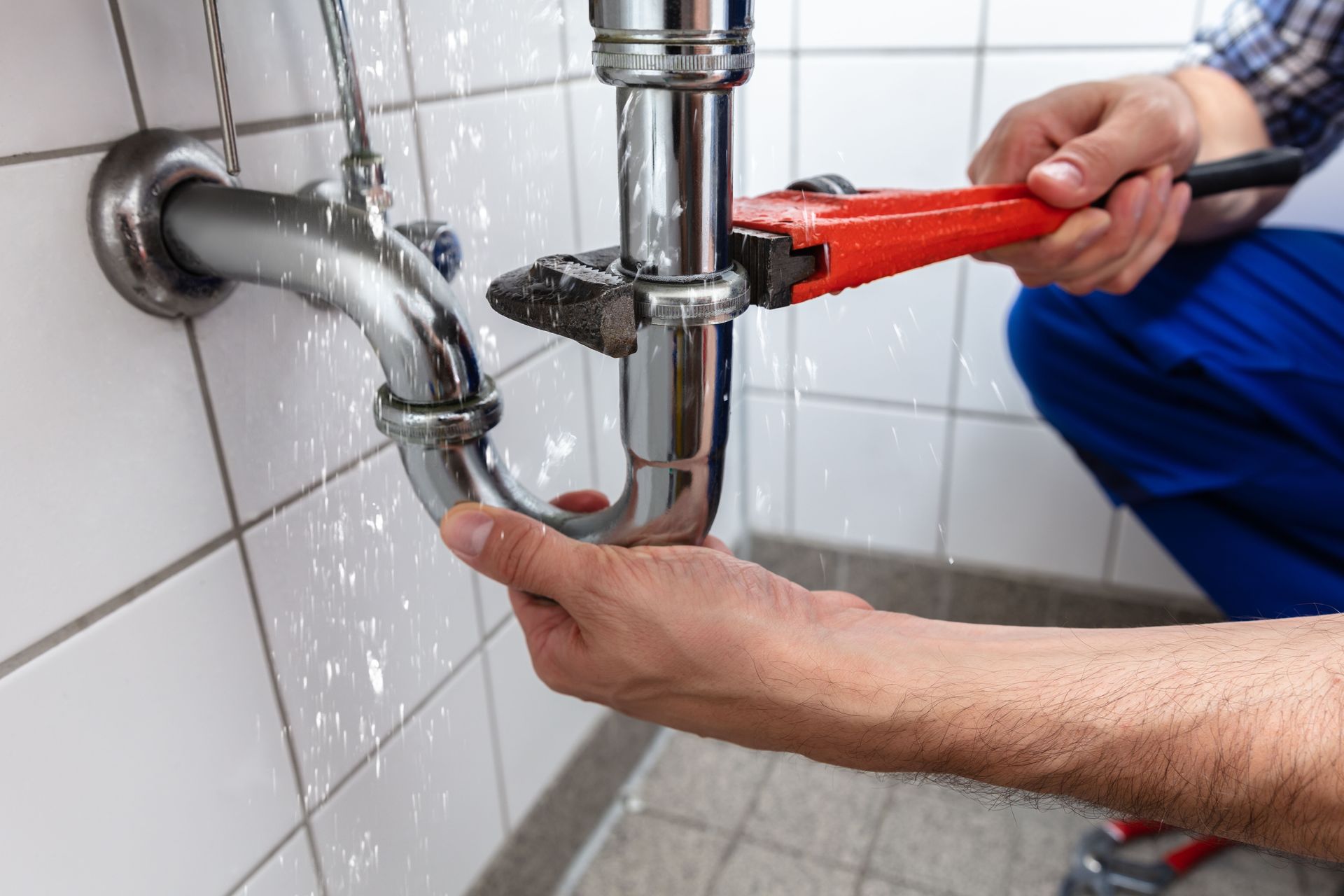
One of the easiest ways to prevent leaks is to routinely inspect your home's plumbing fixtures. Faucets, sinks, toilets, bathtubs, and showers are used daily, making them common sources of wear and tear.
Look for signs such as dripping faucets, water stains, rust, mineral buildup, or moisture around fixture bases. Even a slow drip can waste a substantial amount of water over time and indicate a developing problem within the fixture. Checking these areas every few months allows you to catch issues early. Replacing worn washers, tightening loose connections, and repairing minor damage promptly can prevent larger leaks from developing.
Regular fixture inspections also provide an opportunity to identify aging components before they fail. Homeowners who stay attentive to small warning signs often avoid the extensive repairs that result from unnoticed leaks. Seemingly minor issues such as a loose handle, slow drain, discolored caulking, or occasional dripping can indicate underlying wear within the plumbing system. Addressing these concerns early allows for simple repairs or part replacements before they develop into more serious problems. Over time, this proactive approach can help extend the lifespan of plumbing fixtures, reduce water waste, and minimize the risk of costly water damage affecting walls, flooring, cabinetry, and other areas of the home.
2. Monitor Water Pressure Levels
While strong water pressure may seem desirable, excessive pressure can place significant strain on pipes, fittings, and plumbing fixtures. Over time, this constant stress increases the likelihood of leaks and pipe failures.
Most residential plumbing systems operate best within a safe pressure range. If water pressure is consistently too high, it can accelerate wear throughout the entire plumbing network. A simple pressure gauge can help homeowners determine whether their water pressure is within acceptable limits. If readings are unusually high, installing or adjusting a pressure-reducing valve may help protect the system.
Maintaining proper pressure not only reduces leak risks but can also extend the lifespan of appliances such as dishwashers, washing machines, and water heaters that rely on your home's plumbing system. When water pressure remains within a safe range, these appliances can operate as intended without experiencing unnecessary strain on internal valves, hoses, seals, and connections. Excessive pressure may cause components to wear out more quickly, increasing the likelihood of leaks, malfunctions, and premature replacement. By monitoring and managing water pressure, homeowners can help improve appliance performance, reduce maintenance costs, and protect both their plumbing system and the valuable equipment connected to it.
3. Replace Aging Supply Lines
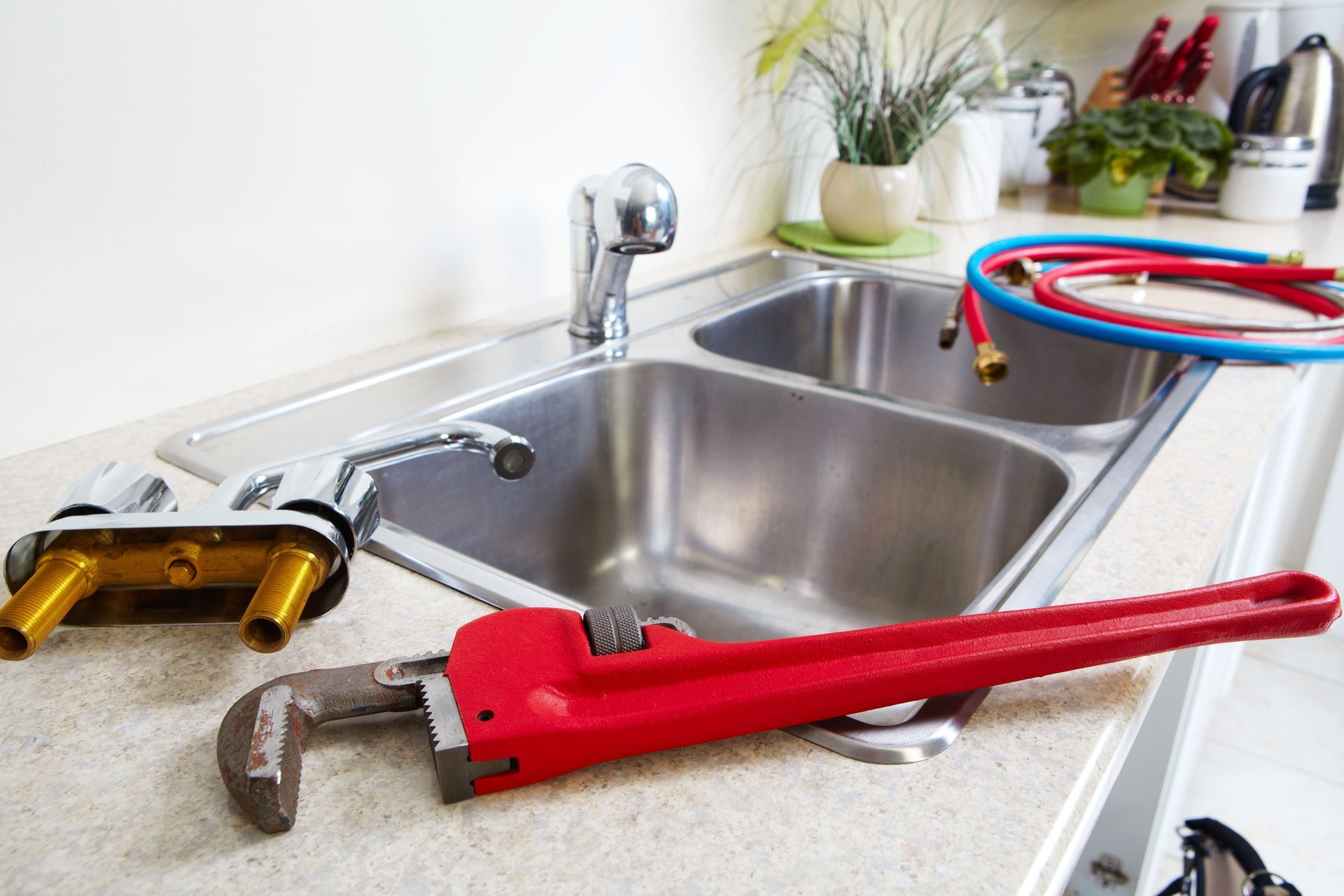
Flexible supply lines connect plumbing fixtures and appliances to your water supply. Although these lines are designed to last for years, they don't last forever.
Supply lines can become brittle, corroded, or weakened due to age and repeated exposure to water pressure. When they fail, they often release significant amounts of water in a short period. Inspect supply lines under sinks, behind toilets, and around appliances for signs of corrosion, bulging, fraying, or deterioration. Replacing older lines before they fail can prevent unexpected water damage.
Modern braided stainless-steel supply lines offer improved durability and are often recommended as upgrades for older plumbing systems. Investing in replacements before problems occur can save homeowners from expensive emergency repairs.
4. Maintain Your Water Heater
Water heaters are frequently overlooked until something goes wrong. However, neglecting water heater maintenance can lead to leaks that damage floors, walls, and nearby belongings.
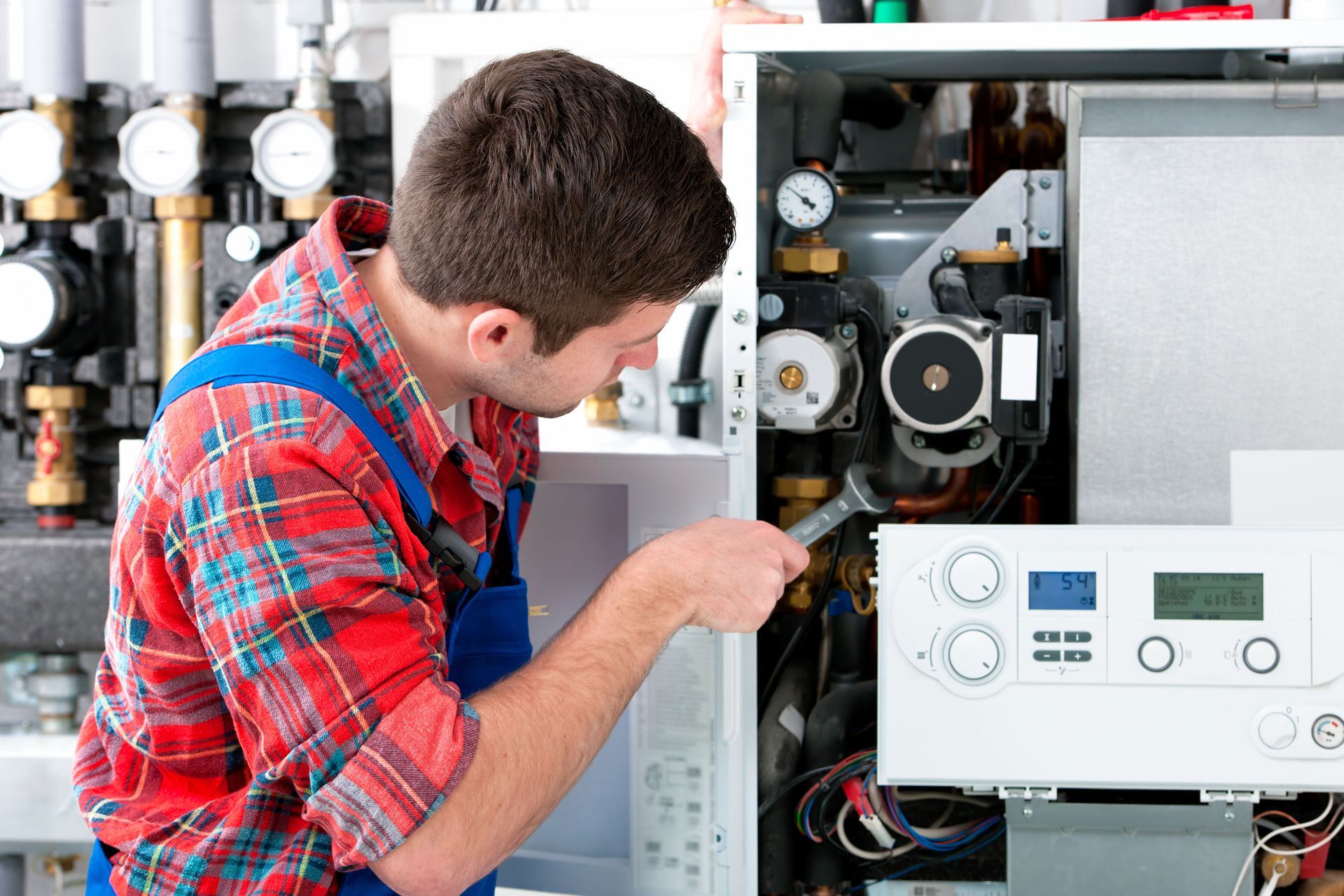
Inspect your water heater regularly for signs of corrosion, moisture, rust, or puddles around the base. Sediment accumulation inside the tank can also contribute to premature wear and eventual leakage. Flushing the tank according to manufacturer recommendations helps remove sediment buildup and promotes efficient operation. It's also important to inspect valves and connections periodically to verify they remain secure.
Routine maintenance helps extend the life of the unit while reducing the likelihood of unexpected leaks that could require costly cleanup and replacement.
5. Check Appliances That Use Water
Many homeowners focus on visible plumbing fixtures while overlooking appliances that use water daily. Washing machines, dishwashers, refrigerators with ice makers, and water filtration systems all contain hoses and connections that can develop leaks.
Inspect appliance hoses regularly for cracks, bulges, loose fittings, or signs of wear. Rubber hoses are particularly susceptible to deterioration and may benefit from replacement with more durable alternatives. It's also wise to examine the surrounding floor area for moisture, discoloration, or mold growth. These subtle indicators may point to slow leaks that have gone unnoticed.
Keeping appliances in good condition and replacing aging hoses can significantly reduce the risk of sudden water damage events inside the home.
6. Pay Attention to Outdoor Plumbing
Household leaks aren't limited to indoor plumbing systems. Outdoor faucets, irrigation systems, sprinkler lines, and garden hoses can also develop leaks that waste water and contribute to property damage.
Inspect outdoor fixtures periodically, especially after winter weather or seasonal temperature changes. Freeze-thaw cycles can cause cracks in pipes and hose bibs that may not become obvious until water is flowing through them. Sprinkler systems should be checked for broken heads, damaged lines, and areas of excessive water accumulation. Unusually lush patches of grass may indicate underground leaks that require attention.
Maintaining outdoor plumbing components helps conserve water and prevents hidden problems from escalating into larger repair projects.
7. Schedule Professional Plumbing Inspections
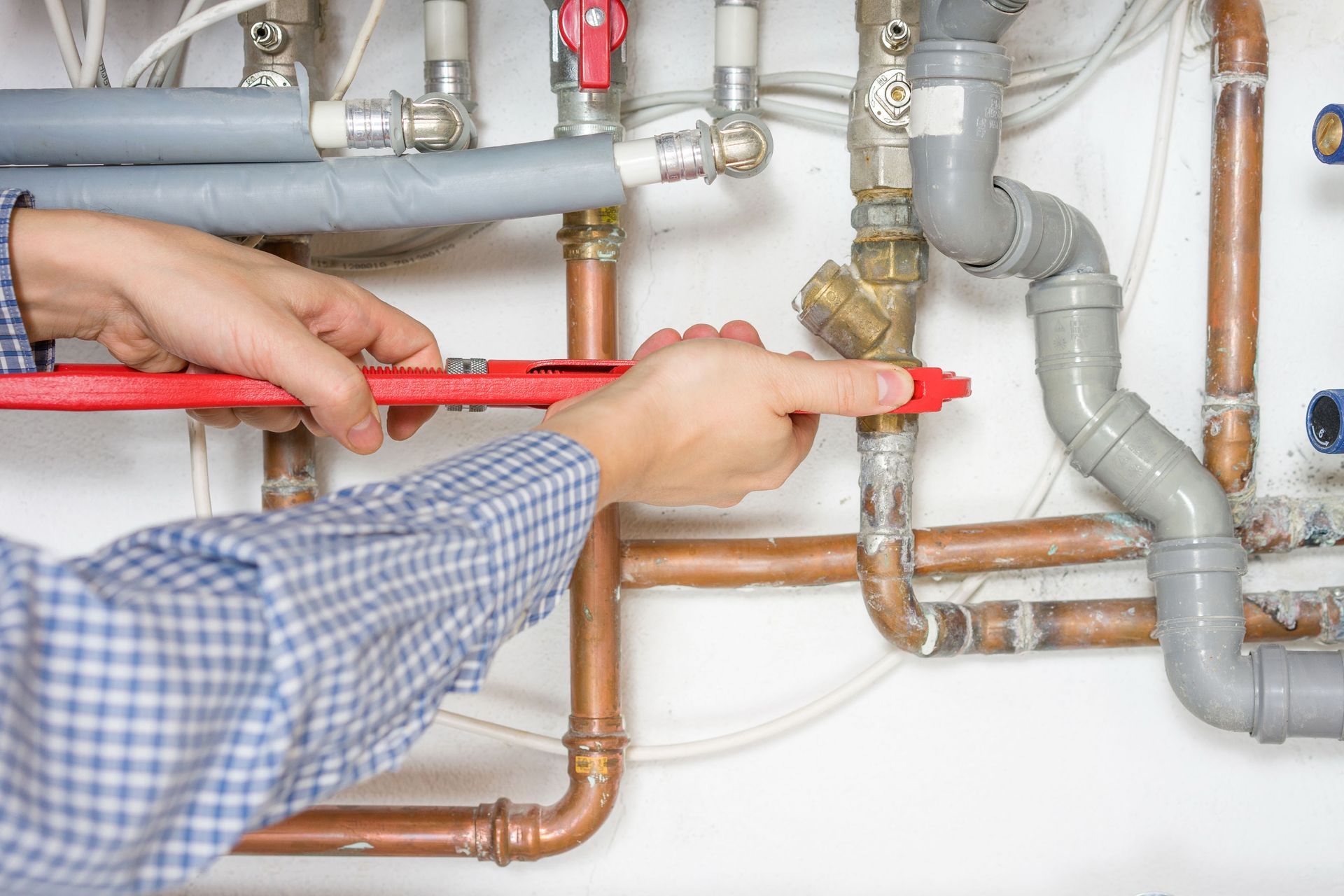
While homeowners can perform many basic inspections themselves, some leak risks remain hidden behind walls, beneath flooring, or within underground pipes. Professional inspections provide a more comprehensive evaluation of your plumbing system.
An experienced plumbing contractor has the tools and expertise to identify developing issues before they result in significant water damage. Advanced diagnostic equipment can detect leaks in locations that aren't easily visible. Professional inspections are particularly valuable for older homes, recently purchased properties, or residences with a history of plumbing problems. Detecting small concerns early often prevents costly repairs later.
Scheduling periodic inspections can provide peace of mind and help maintain the overall health of your home's plumbing infrastructure.
Preventing household leaks starts with consistent maintenance and awareness. Small issues rarely stay small when water is involved, and even minor leaks can lead to substantial damage if left unaddressed. By inspecting fixtures, monitoring water pressure, maintaining appliances, caring for outdoor plumbing, and partnering with a qualified plumbing contractor when needed, you can significantly reduce the risk of water-related problems. Taking preventive measures today with Drip Doctors Plumbing can save money, conserve water, and help protect your home for years to come. Contact us today to get started with a free estimate!